

All Products
Download Now
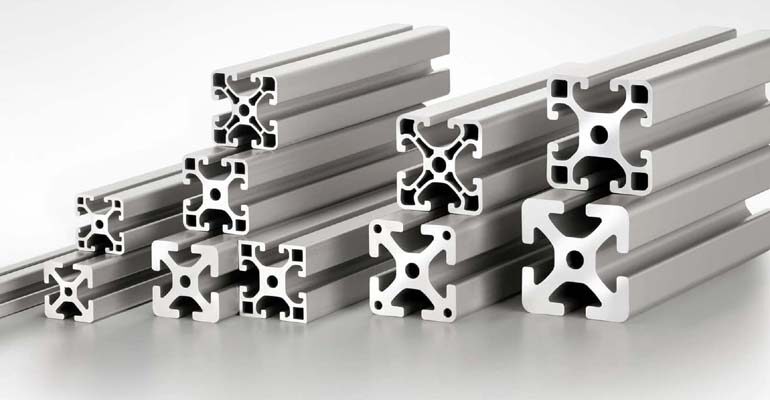
Extrusion Dies
Extrusion dies are the “shapers” of the manufacturing world. In simple terms, they are heavy-duty metal tools with a specific profile cut through them. When raw material (like plastic pellets or heated aluminum) is forced through the die under high pressure, it emerges as a continuous length with the same shape as the die’s opening.
Think of it like a play-dough factory or a pasta maker: the die is the disc at the end that turns the dough into spaghetti or stars.
Common Types of Extrusion Dies
The design of a die depends heavily on whether the final product is solid, hollow, or a flat sheet.
| Die Type | Common Products | Description |
| Solid Die | Rods, bars, beams | A simple opening that creates a solid cross-section. |
| Hollow (Bridge) Die | Pipes, square tubing | Uses a “mandrel” held in place by “bridges” to create the internal hole. |
| Flat Die | Plastic wrap, sheet metal | Spreads the material out into a wide, thin film or plate. |
| Profile Die | Window frames, seals | Complex, custom shapes used in construction and automotive industries. |
How it Works: The Physics
Designing a die isn’t just about cutting a hole. Engineers have to account for Die Swell. When material is compressed through the die and then released, it naturally “relaxes” and expands.
For example, if you want a plastic rod with a diameter of exactly 10mm, the die opening might actually need to be slightly smaller than 10mm to account for that expansion. This is modeled using fluid dynamics to ensure the final product meets exact tolerances.
Key Components:
The Mandrel: The part that creates the internal cavity in hollow shapes.
The Land: The straight section at the exit of the die that stabilizes the flow and sets the final dimensions.
The Die Holder: A massive steel block that keeps the die aligned under tons of pressure.
Material Matters
Extrusion dies live a hard life. They deal with extreme heat and intense friction, so they are typically made from high-performance materials:
Tool Steel (H13): The industry standard for aluminum extrusion.
Tungsten Carbide: Used when the material being extruded is highly abrasive.
Chromium Plating: Often applied to the “land” to reduce friction and prevent the material from sticking.
Aluminium Profiles
Aluminum Profile is defined not just by its shape, but by its “intelligence” and sustainability. These are the building blocks of modern infrastructure, designed to be lightweight, modular, and infinitely recyclable.
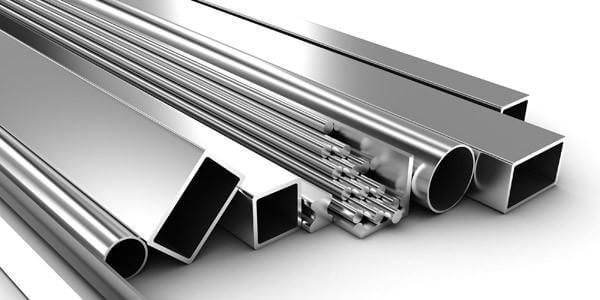
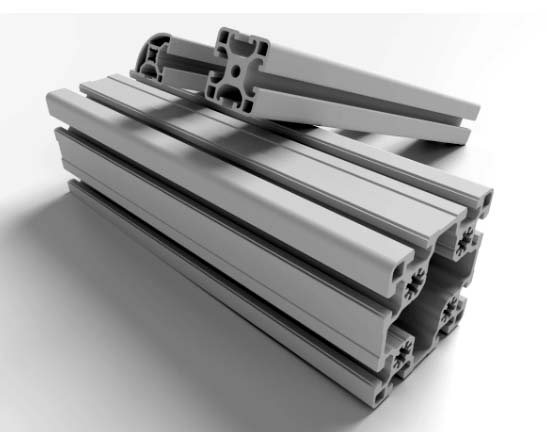
Aluminium Extrusions
Aluminum Extrusion industry has matured into a cornerstone of sustainable design. It is no longer just about “metal profiles”—the focus has shifted toward Smart Manufacturing, Extreme Precision, and Low-Carbon Circularity.
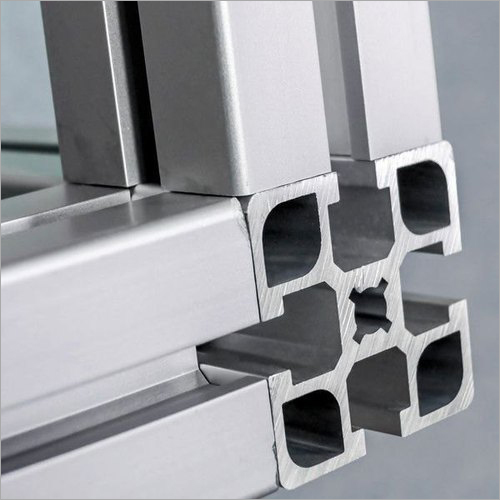

Powder Coated
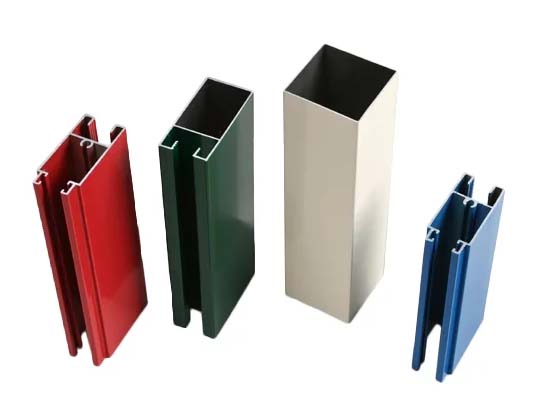
Powder Coated Aluminum is the industry standard for products that require high-impact resistance, a vast array of colors, and eco-friendly manufacturing. Unlike anodizing (which is a chemical “dye” of the metal surface), powder coating creates a thick, protective polymer skin.

Wood Coated
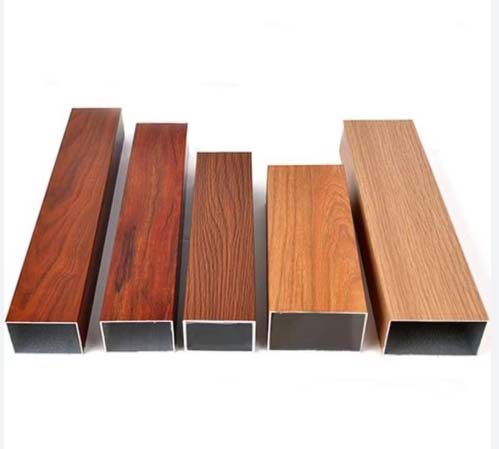
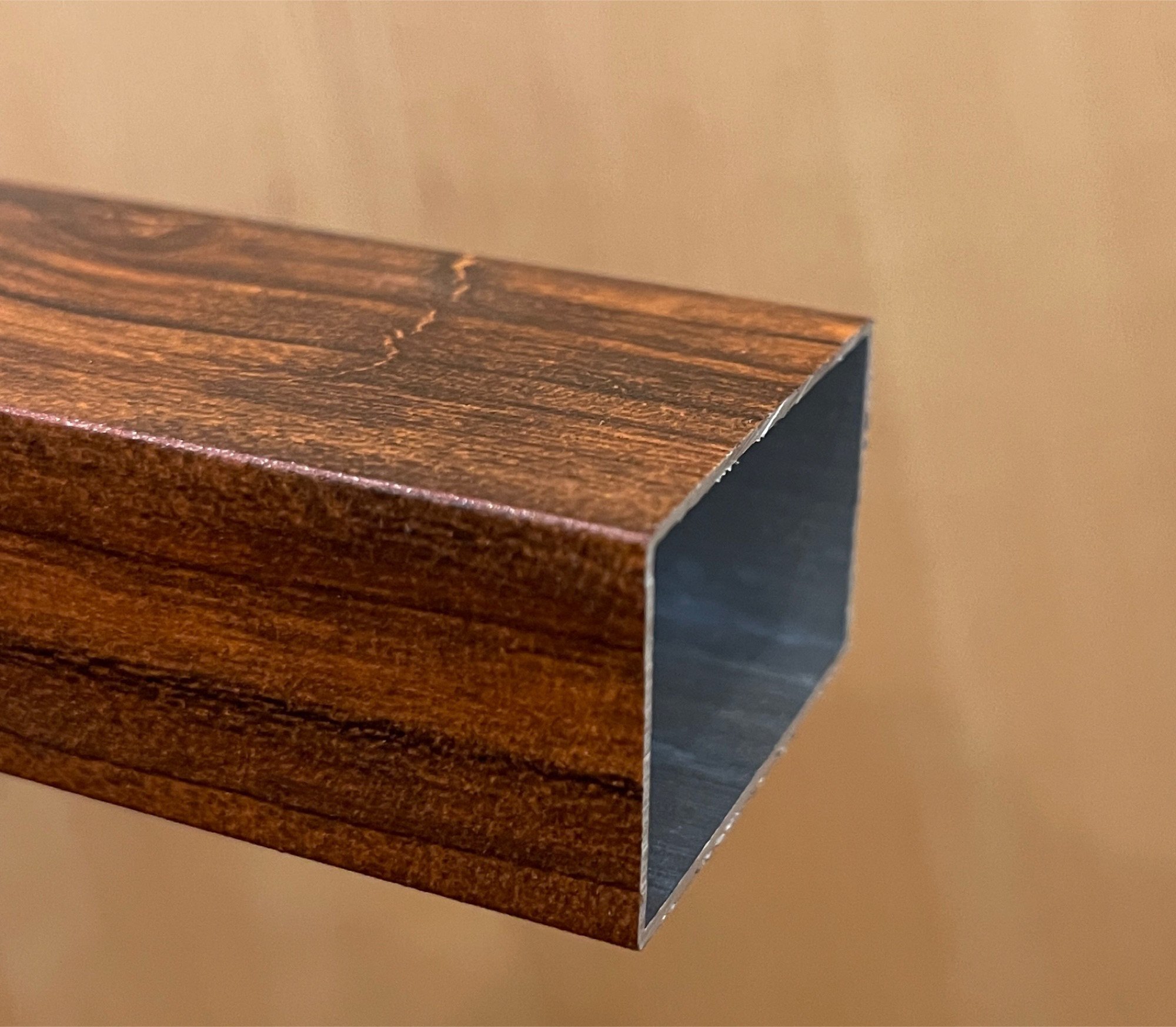
Wood Coated Aluminum (often called “Timber-Look” or “Wood-Grain Aluminum”) has become the premier choice for designers who want the organic warmth of wood without the maintenance headaches of real timber.
This isn’t just a “painted” surface; it is an advanced metallurgical finish achieved primarily through Sublimation technology.
Freequently Asked Question
In an extensive global network of service hubs, PrimeServ Omnicare covers maintenance, repair and reconditioning of the many different pieces of equipment that make up your business – in customized contracts that make sense for you.